
Buying a Home on Bonaire? Why the Home Inspection Process May Be Different Than You Expect.

Updated: Sep 7
If you're considering buying a home on Bonaire, you may find the process familiar, especially if you're coming from the United States or Canada. You identify a property, make an offer, negotiate terms, sign a purchase agreement, and eventually take ownership.
However, there is one crucial aspect of the process that can differ significantly on Bonaire: the home inspection.
Understanding this difference before making an offer can help you protect your investment and avoid costly surprises after you receive the keys.
Home Inspections in the United States and Canada
In the United States and Canada, a professional home inspection typically occurs after the seller accepts an offer. The purchase agreement usually includes an inspection contingency. This contingency grants the buyer a specific period to inspect the property.
During this time, a professional inspector evaluates the home's major systems and components. Depending on the property and the scope of the inspection, this may include:
Roof and exterior
Structure and foundation
Electrical systems
Plumbing
Air conditioning and ventilation
Doors and windows
Interior components
Appliances
Pools and related equipment
Signs of moisture intrusion
Evidence of termites or other wood-destroying organisms
The buyer receives a written report detailing the inspector's findings.
Depending on the purchase agreement, buyers may request repairs, negotiate a price adjustment, accept the property as-is, or terminate the transaction under their inspection contingency. For many North American buyers, this process is so routine that they assume it works the same way everywhere.
On Bonaire, you shouldn't make that assumption.
How Home Inspections Work on Bonaire
On Bonaire, a technical or building inspection (also called bouwkundige keuring or bouwtechnische keuring) is not necessarily an automatic part of the real estate transaction. Instead, buyers generally need to include the inspection as part of their offer and purchase agreement. This is a crucial distinction.
If you want the ability to inspect the property and have certain rights based on what the inspection reveals, those terms should be agreed upon before you commit to purchasing the property.
Local real estate guidance specifically recommends considering a technical inspection as a condition of the purchase. Depending on the agreement, the inspection condition should also establish a threshold for significant defects or estimated repair costs.
In other words, don't wait until after your offer has been accepted to start thinking about your inspection rights.
What Happens During a Bonaire Home Inspection?
The basic purpose of the inspection is quite similar to an inspection in the United States or Canada. A professional inspector evaluates the visible and accessible components of the property. They document conditions that may require repair, replacement, maintenance, or further evaluation.
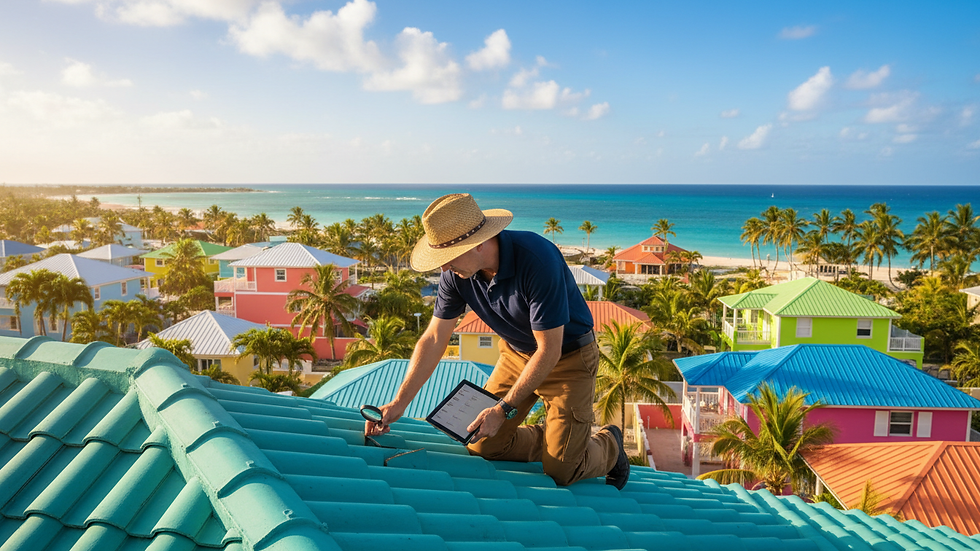
However, Bonaire homes face unique conditions that North American buyers may not be accustomed to. Our tropical, coastal environment can be particularly harsh on buildings. Sun, salt air, wind, moisture, insects, and periods when homes remain vacant can all affect the condition of a property.
Some issues worth paying particular attention to include:
Roof leaks
Deterioration of exterior surfaces
Plumbing and septic problems
Termites
Moisture intrusion
Local real estate professionals specifically identify roof leaks, termites, and septic-line problems among issues encountered during Bonaire inspections. That's one reason an inspection by someone familiar with Bonaire homes and Bonaire's climate can be especially valuable.
What Happens If the Inspector Finds Problems?
First, don't panic.
Finding problems doesn't mean you shouldn't buy the home. In fact, discovering deficiencies is part of the reason you're having an inspection performed. No home is perfect.
The more important questions are:
How serious is the problem?
Is it a safety concern?
How quickly does it need to be repaired?
What might it cost to correct?
What does your purchase agreement allow you to do about it?
Depending on your agreement terms and the negotiations, you may decide to proceed as-is, seek a repair or other adjustment, or exercise whatever rights your inspection condition provides.
The key point is that the inspection report itself does not automatically require the seller to repair everything the inspector identifies. Your rights and the seller's obligations depend on the terms negotiated in the transaction.
The Inspector Is Not the Negotiator
It's also essential to understand the home inspector's role.
Your inspector's job is to provide an independent assessment of the condition of the property. They should identify significant deficiencies, explain why they matter, recommend additional evaluation when appropriate, and provide a rough repair cost estimate. Their goal is to help you better understand the home you're considering purchasing.
The inspector generally shouldn't tell you what price to offer, whether the seller should pay for a repair, or whether you should walk away from the transaction. Those decisions belong to you, with guidance from your real estate professional and, where appropriate, your notary, attorney, contractor, or other adviser.
The Purchase Agreement Matters
This may be the biggest takeaway for American and Canadian buyers.
Don't assume you'll automatically have an inspection period simply because that's what you're accustomed to at home.
On Bonaire, inspection terms should be considered when preparing your offer. Local sources describe technical inspections as a condition that can be included in the offer and subsequent purchase agreement, sometimes with an agreed repair-cost or defect threshold.
Property transfers on Bonaire ultimately go through a civil-law notary, who handles the legal transfer and examines matters involving title, mortgages, and other obligations affecting the property.
Your technical home inspection serves a different purpose: understanding the physical condition of the home you're buying.
You need both sides of that due diligence.
A Home Inspection Is About Making an Informed Decision
Buying a home on Bonaire can be exciting, whether you're relocating to the island, purchasing a vacation home, investing in a rental property, or finally buying the Caribbean home you've dreamed about.
A professional home inspection isn't about finding reasons not to buy the property. It's about knowing what you're buying before you buy it.
At Bon Kas Home Inspections, our goal is to provide buyers with a clear, independent assessment of the property's condition. This way, you can move forward with greater confidence. We focus on identifying significant defects, safety concerns, maintenance issues, and components that may require further evaluation or repair.
If you're coming from the United States or Canada, remember one simple rule:
Arrange your inspection before you commit, and make sure your inspection rights are properly addressed in your offer and purchase agreement.
A beautiful Caribbean view can make it easy to fall in love with a home.
Our job is to help you understand the house behind the view.
Conclusion
In conclusion, navigating the home buying process on Bonaire requires understanding the unique aspects of property inspections. By prioritizing a thorough inspection and ensuring your rights are clearly defined in your purchase agreement, you can make informed decisions. This proactive approach will help you avoid unexpected issues and ensure your investment is sound.
Whether you're drawn to Bonaire's stunning landscapes or its vibrant culture, being well-prepared will enhance your home buying experience. Trust in the process, and remember that knowledge is your best ally in making the right choice for your future.


Comments